The Hobby Graveyard: 47 People Pinpointed the Exact Moment Something They Loved Turned Into a Chore
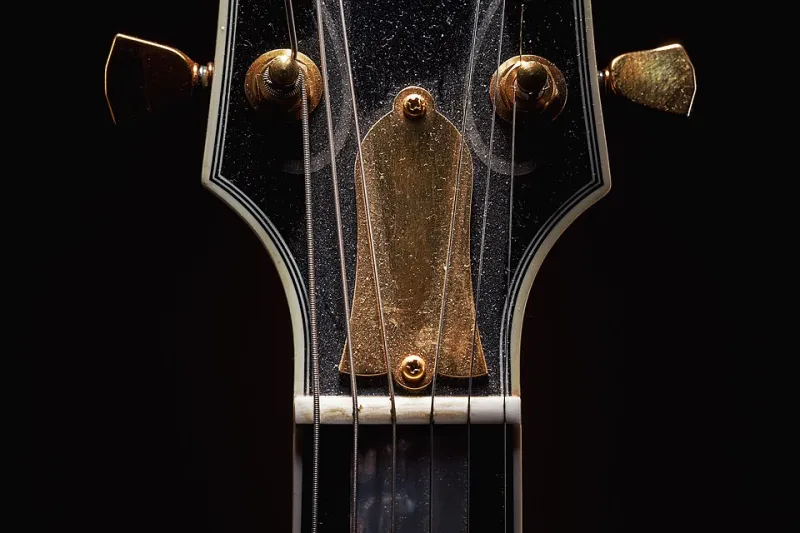
Photo: Dejan Krsmanovic, CC BY 2.0, via Wikimedia Commons
Every hobby has a graveyard somewhere. A guitar collecting dust behind a closet door. A half-finished knitting project in a tote bag you stopped opening. A show you once evangelized to strangers that you now cannot bring yourself to finish.
We asked Zestloop readers to do something uncomfortable: go back and find the exact moment. Not just "I stopped enjoying it" — but the specific scene, the specific Tuesday, the specific comment someone made or metric you hit that shifted everything. We got 47 responses. And reading through them felt like watching the same story told in 47 different voices.
The Moment Has a Shape
Before getting into individual stories, here's what jumped out immediately: almost no one described a gradual fade. The word people used over and over — unprompted — was "suddenly." As in: "I suddenly realized I hadn't opened the app in three weeks." Or: "I was mid-run and suddenly thought, I genuinely do not want to be doing this."
That's not how we usually talk about burnout. We expect it to sneak up slowly, like fog. But based on these stories, the fog was already there — the noticing was sudden. The joy had been draining quietly for a while, and then one specific moment made it undeniable.
So what caused the drain in the first place?
When It Became a Number
The single most common trigger — appearing in some form across 18 of the 47 stories — was the introduction of metrics.
Marcus, 29, from Austin, described the moment he stopped loving photography: "I got serious about Instagram. Started tracking engagement, posting on a schedule, researching hashtags. Within four months I couldn't pick up my camera without thinking about whether the shot was 'postable.' I sold the camera a year later."
Similar stories came from runners who downloaded pace-tracking apps, readers who joined Goodreads and set annual goals, gamers who started grinding for achievements instead of playing for fun, and home cooks who began meal-prepping for content. The activity didn't change. The frame around it did.
This is what researchers sometimes call the overjustification effect — when an external reward (likes, stats, a progress bar) gets introduced to something intrinsically enjoyable, the brain recategorizes the activity. It stops being play. It becomes work with an unpaid internship vibe.
When Someone Else's Enthusiasm Ruined It
This one was unexpected. Eight respondents described losing love for something because someone else loved it too much — or more precisely, because that person's enthusiasm changed how the activity felt.
Jessica, 34, from Chicago: "My ex got really into the same band I'd been listening to for years. He started correcting my interpretations of lyrics. Going to shows became about his experience. I stopped listening to them entirely after we broke up and I haven't gone back."
A similar dynamic showed up with TV shows: several people described the moment a niche favorite blew up and became a cultural conversation, suddenly making it feel like homework to stay current. "It stopped being mine," one respondent wrote about a beloved prestige drama. "Once everyone had opinions about it, my opinion felt irrelevant."
Ownership — the feeling that something belongs to your specific corner of life — turns out to be a bigger part of enjoyment than we probably admit.
When the Body Said No (And the Brain Didn't Listen)
Several stories involved physical activities — running, yoga, cycling, hiking — and a specific pattern emerged there too. The enjoyment didn't die when people got injured or tired. It died when they pushed through an injury or period of exhaustion and finished anyway.
Derek, 41, from Denver: "I ran a half marathon with a stress fracture I'd been ignoring. Finished it. Was proud for about six hours. Then I just... never wanted to run again. It's been two years. The shoes are still by the door."
There's something almost poetic about that image — the shoes still by the door. Multiple people mentioned the physical objects of dead hobbies still being visible in their homes, like memorials.
The "Should" Takeover
Across nearly every category of story, one word kept appearing: should. The transition from joy to obligation seemed to track almost exactly with when the word "should" entered the picture.
"I should post today." "I should finish this book since I started it." "I should practice since I paid for the lessons." "I should watch the new season since everyone's talking about it."
Once "should" moves in, "want" tends to move out. It's not a dramatic eviction — more like one quietly sublets to the other and you don't notice until the lease is already signed.
Can You Get It Back?
Of the 47 respondents, 14 said they had successfully revived a dead interest. Their strategies weren't what you'd expect from a productivity article. Nobody mentioned habit stacking or accountability partners.
What actually worked, according to these stories:
Removing the metrics entirely. Deleting the app, quitting the group, stopping the tracking. Going back to doing the thing with zero record of having done it.
Doing it badly on purpose. Several people described intentionally lowering the stakes — painting something ugly, running without a route, cooking a meal they knew would be mediocre. Permission to be bad at something you used to be good at apparently releases a lot of pressure.
Changing the context, not the activity. One woman who'd stopped reading started listening to audiobooks on walks. A former gamer started playing old childhood games instead of new releases. The activity came back through a side door.
Waiting. This was the most common answer, and probably the least satisfying: just letting it sit. Several people described rediscovering something years later with fresh eyes, as if the burnout had a natural expiration date.
Joy Is a Moving Target
Maybe the most honest takeaway from all 47 stories is this: joy isn't something you lose or outgrow so much as something that requires conditions. Change the conditions — add pressure, add an audience, add a scoreboard — and the joy relocates. Sometimes it goes somewhere you can find it again. Sometimes it just goes.
But the fact that so many people could name the exact moment? That's actually kind of hopeful. It means the moment is real, which means the joy before it was real too.
The guitar behind the closet door didn't stop being a guitar. It's waiting for different conditions.
What's in your hobby graveyard? Drop it in the comments — we're working on a follow-up piece and want to hear the specific moment.