Ghost Apps: The Digital Clutter You Can't Delete and the Psychology Behind Why You Keep Trying
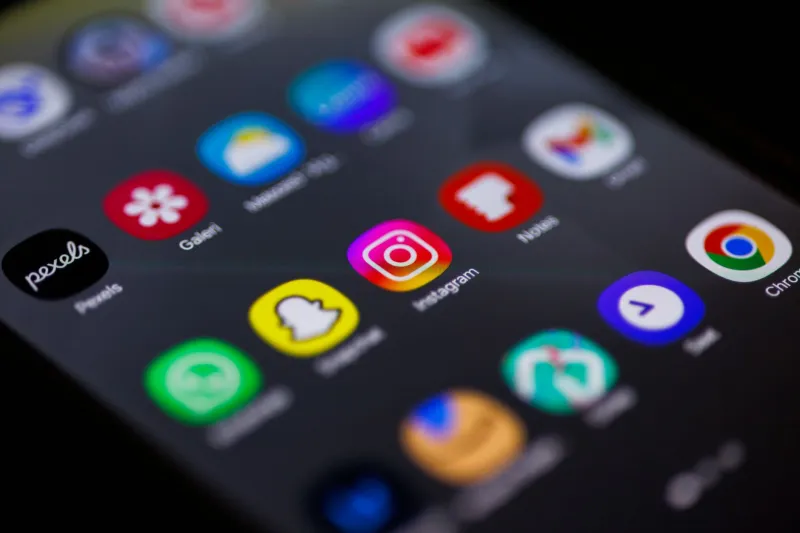
Somewhere between page three and page four of your app library, there's a graveyard. It's quiet there. Nobody visits. There's a budgeting app you downloaded during a very motivated Tuesday in February, a QR code scanner from 2021 that you absolutely do not need anymore, and — for reasons you genuinely cannot explain — a fishing game you played for eleven minutes on a flight to Phoenix.
You haven't deleted any of them.
We got curious about this. So we did what Zestloop does: we asked around, pulled some numbers, and started mapping the weird emotional logic behind the apps that survive your phone purges and the ones that get axed in the first ten seconds.
The results were, honestly, a little too relatable.
The Average American Phone Is a Hoarder's Paradise
According to data from app analytics firms, the average US smartphone user has somewhere between 80 and 100 apps installed at any given time. Of those, research consistently shows that people actively use fewer than 30 on a monthly basis — and fewer than 10 on a daily basis.
That means somewhere between 50 and 70 apps on your phone right now are essentially just sitting there. Taking up space. Staring at you.
The apps that get deleted first? Ones tied to a single event — a festival app for a concert that already happened, a parking meter app from a city you visited once, a food delivery service you tried during a free trial and never reopened. Those go fast. One clear purpose, purpose fulfilled, gone.
The ones that survive? That's where it gets interesting.
The 'Just in Case' Hall of Fame
When we asked people to name the apps they know they don't use but absolutely refuse to delete, a few categories kept coming up.
Fitness apps were the undisputed champions. Specifically, apps people paid for. "I have a yoga app I bought a three-year subscription to in 2022," one person told us. "I have done zero yoga. But deleting it feels like admitting something." That something, by the way, is that the $59.99 is gone forever — and keeping the app is the last thin thread of hope that someday, maybe, the yoga will happen.
Language learning apps came in a close second. Duolingo has a cultural foothold that transcends actual language learning at this point, but there's a whole ecosystem of apps people downloaded because they were going to learn Spanish before a trip, or Italian because of a phase, or Japanese because of an anime. The trip happened. The phase passed. The app remains.
Old social media platforms were another big one — apps people no longer actively post on but keep installed because "I still check it sometimes" (they do not check it sometimes) or "my photos are on there" (they are not going to access those photos).
And then there's the wildcard category: apps people downloaded for a specific, weird, one-time purpose and simply never removed. A decibel meter. A star-gazing app used once in a backyard. A tip calculator, which is baffling because your phone has a calculator already.
Why Deleting Feels Like Losing
Here's the thing that surprised us most when we talked to people: deleting an app doesn't feel neutral. It feels like a decision. And decisions carry weight.
Psychologists have a name for part of this — it's called the sunk cost fallacy, and it's the reason you keep a gym app you paid for even though you haven't opened it in eight months. Your brain doesn't want to "waste" the purchase, even though the purchase is already spent regardless of what you do with the app icon.
But there's something else happening too, something a little more personal. A lot of the apps people resist deleting are tied to a version of themselves they haven't fully given up on yet. The person who was going to get really into meal planning. The one who was going to track their sleep. The one who downloaded a journaling app at 1 a.m. during a moment of genuine emotional clarity and fully intended to use it.
Deleting the app isn't just clearing storage space. It feels like officially closing the door on that version of you.
"I have a sourdough starter app from 2020," someone told us, and honestly, no further explanation was needed. We all had a sourdough era. Some of us are still carrying the app.
The Ones That Always Survive
If the deleted apps tell you who you used to want to be, the ones that always survive tell you who you actually are.
Across the board, the apps with the best survival rates were the ones embedded in daily friction — maps, weather, your bank, whatever food delivery service you've committed to, the streaming apps you actually watch. These aren't sentimental. They're load-bearing.
Social apps with active group chats survive even when the platform itself is kind of dying. People will keep an app they hate because their family group chat lives there and migrating everyone to something new is simply not a battle they're willing to fight.
Games are interesting. Casual mobile games get deleted fast — but the ones people have been playing for years, the ones with a daily streak or a long-running save file, those stick around with a ferocity that's almost aggressive. Deleting a game you've played for 400 days feels like erasing history.
The Purge Ritual (And Why It Never Really Works)
Most people do some version of a phone clean-out every few months — usually triggered by a "storage almost full" notification, which is the digital equivalent of your closet door not closing anymore.
But the purge is rarely as thorough as it feels. People delete the obvious stuff, the apps they genuinely don't recognize, the duplicates, the one-event apps. Then they hit the ambiguous middle zone — the stuff they might use, the stuff they used to use, the stuff they feel bad about not using — and the momentum stalls.
They close the app library. They feel like they did something. The graveyard remains.
It's a loop. Storage fills up. Purge happens. Forty percent of the clutter survives. Repeat.
So What Do You Actually Do About It?
Honestly? Maybe nothing. There's an argument that the ghost apps aren't really hurting you — storage is cheap, modern phones handle the load, and if a dusty meditation app is the last ember of your wellness aspirations, maybe let it live.
But if the clutter genuinely bothers you, the one rule that actually works is brutal and simple: if you haven't opened it in 90 days and you don't know exactly when you will, it goes. No negotiations. No "but what if."
You can always redownload it. That's the part people forget. The app store exists. Nothing is truly gone.
The sourdough starter app will be there if you need it.
You won't need it.
But it'll be there.